
Office Tables
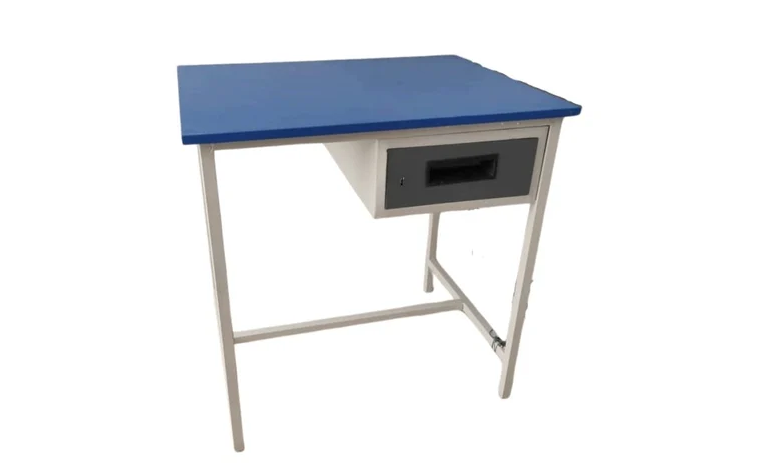
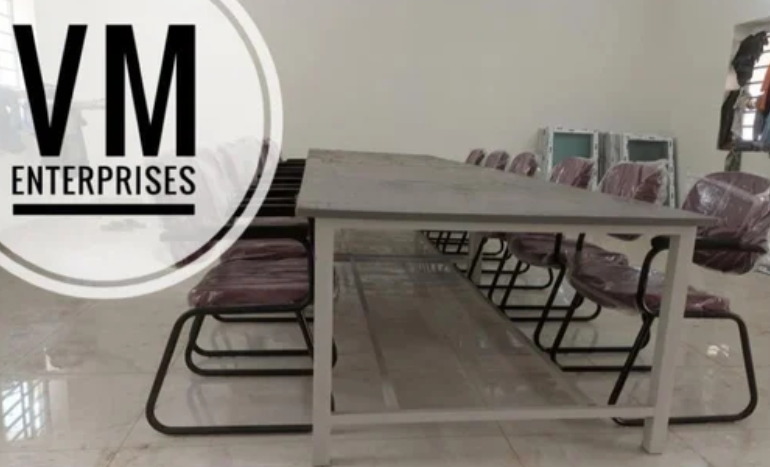
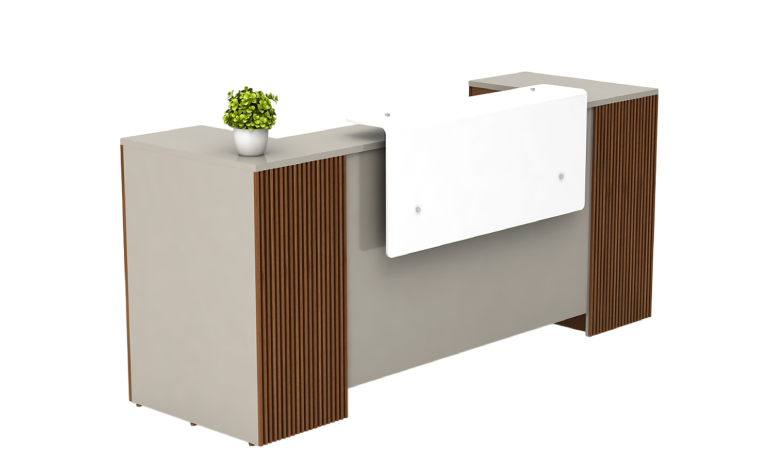
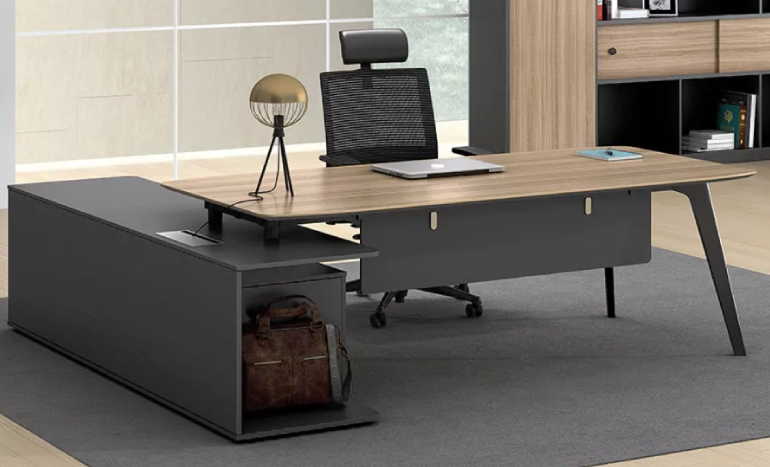
Office Furniture Manufacturers in Hyderabad
Modern offices require furniture that supports productivity, employee comfort, efficient space utilisation, and a professional working environment. From corporate offices and IT companies to startups, commercial establishments, and educational institutions, the right furniture plays an important role in creating organised and functional workplaces.
Choosing the right Office Furniture Manufacturers in Hyderabad helps businesses find furniture suited to their workspace layouts, employee requirements, operational activities, and budget considerations. Office furniture is more than desks and chairs; it includes workstations, executive tables, conference furniture, reception counters, storage cabinets, and other essential workplace products.
VM Furnitures provides office and institutional furniture solutions for organisations looking to furnish different workplace environments. The product requirements can range from individual office desks and ergonomic seating to complete workstation arrangements and administrative furniture.
Whether you are setting up a new office, expanding an existing workspace, renovating a corporate environment, or upgrading employee facilities, selecting suitable office furniture is an important investment in workplace functionality.
Office Furniture Categories for Modern Workspaces
1. Executive Office Furniture
Executive furniture is designed for management cabins, directors' offices, senior management departments, and leadership workspaces.
Common products include:
- Executive office tables.
- Manager desks.
- Executive chairs.
- Side storage cabinets.
- Office credenzas.
- Meeting tables.
- Document storage units.
Executive Office Furniture should combine professional appearance, practical working space, convenient storage, and comfortable usage.
2. Office Desks and Staff Tables
Office desks are essential for employees performing daily administrative, technical, and professional activities.
When evaluating Office Table Manufacturers in Hyderabad, businesses should consider desk dimensions, writing surface area, storage requirements, frame stability, and material quality.
Common office desk options include:
- Individual employee desks.
- Computer tables.
- Staff work tables.
- Manager desks.
- Reception desks.
- Administrative tables.
- Side tables and supporting units.
Suitable desk arrangements help employees organise documents, computers, office accessories, and everyday work materials.
3. Modular Office Workstations
Modular workstations are designed to organise multiple employees within a shared office environment.
Modular Office Furniture Manufacturers provide workstation solutions that can be planned according to office dimensions, employee strength, and departmental requirements.
Typical workstation features include:
- Individual working surfaces.
- Partition panels.
- Cable management provisions.
- Storage units.
- Computer and monitor space.
- Shared or individual workstation arrangements.
Modular workstations are particularly useful for IT companies, corporate offices, startups, and coworking spaces.
4. Office Chairs and Ergonomic Seating
Office chairs directly influence employee seating comfort during working hours.
Businesses looking for Office Chair Manufacturers in Hyderabad should evaluate seating dimensions, back support, height adjustment, stability, and upholstery.
Common office seating categories include:
- Executive chairs.
- Ergonomic office chairs.
- Staff chairs.
- Visitor chairs.
- Meeting room chairs.
- Reception seating.
- Conference room chairs.
The appropriate chair should be selected according to the user's working requirements and expected duration of use.
5. Conference and Meeting Room Furniture
Conference rooms are used for business meetings, presentations, team discussions, and client interactions.
Common furniture requirements include:
- Conference tables.
- Meeting room chairs.
- Discussion tables.
- Presentation tables.
- Storage cabinets.
- Supporting office furniture.
Conference Room Furniture should provide sufficient seating space, practical table dimensions, and convenient arrangements for meetings and presentations.
6. Reception and Waiting Area Furniture
Reception areas create the first impression of an office. Their furniture should support visitor management while maintaining a professional appearance.
Important products include:
- Reception counters.
- Front office desks.
- Visitor chairs.
- Waiting area sofas.
- Side tables.
- Storage cabinets.
Suitable Reception Furniture helps organisations maintain an organised and welcoming entrance area.
7. Office Storage and Filing Furniture
Storage furniture helps businesses organise documents, files, office accessories, and essential materials.
Common options include:
- Office storage cabinets.
- Filing cabinets.
- Drawer units.
- Document cupboards.
- Shelving units.
- Pedestal storage.
- Departmental storage furniture.
Well-planned storage reduces workplace clutter and improves document accessibility.
How Office Furniture Is Designed, Manufactured, and Selected for Different Workspaces
1. What Is Office Furniture?
Office furniture refers to desks, chairs, workstations, tables, storage cabinets, reception counters, and other furniture products used to create functional and organised workplace environments.
It supports everyday office activities such as computer work, meetings, administration, employee seating, document storage, and visitor management.
2. What Types of Office Furniture Are Available?
Different types of office furniture are designed for specific workplace requirements.
Common categories include:
- Executive office tables and manager desks.
- Employee desks and staff tables.
- Modular office workstations.
- Ergonomic office chairs.
- Computer tables.
- Conference and meeting tables.
- Reception counters.
- Office storage cabinets.
- Filing cabinets and drawer units.
- Visitor and waiting-area furniture.
3. What Are the Key Features of Quality Office Furniture?
Quality office furniture should combine practical functionality, comfortable design, suitable construction, and durability.
Important features include:
- Strong and stable frame construction.
- Comfortable and ergonomic design.
- Suitable dimensions for daily office activities.
- Efficient space utilisation.
- Smooth and properly finished edges.
- Functional storage arrangements.
- Easy-to-maintain surfaces.
- Suitable materials for regular workplace usage.
4. Which Materials Are Used in Office Furniture Manufacturing?
Office furniture manufacturers commonly use different materials depending on the product design and intended application.
Mild Steel: Used for furniture frames and supporting structures.
Powder-Coated Metal: Used for selected furniture frames and metal components.
Plywood: Used in desks, tables, and storage furniture.
Pre-Laminated Particle Board: Used in workstations, cabinets, and office tables.
MDF: Used in selected furniture panels and applications.
Laminates: Used for decorative surfaces and practical finishing.
Material selection should depend on structural requirements, expected usage, maintenance, and budget.
5. What Are the Benefits of Modular Office Furniture?
Modular office furniture consists of components designed to create organised and adaptable workplace arrangements.
Its major benefits include:
- Better utilisation of available office space.
- Organised employee workstations.
- Flexible furniture arrangements.
- Improved departmental planning.
- Convenient integration of storage units.
- Consistent workplace appearance.
- Suitability for corporate offices and IT environments.
6. Where Is Office Furniture Used?
Office furniture is used in different commercial, professional, and institutional environments.
Major applications include:
- Corporate offices.
- IT companies and software development centres.
- Startups and business establishments.
- Educational institutions.
- Hospitals and healthcare facilities.
- Banks and financial institutions.
- Government offices.
- Coworking spaces.
- Commercial buildings.
- Administrative departments.
7. How Is Office Furniture Manufactured?
Office furniture manufacturing generally involves several stages to ensure that the furniture meets its intended functional and structural requirements.
The process includes:
Requirement Analysis: Understanding furniture categories, quantities, and customer requirements.
Furniture Design: Planning product dimensions and configurations.
Material Selection: Selecting suitable metal, boards, laminates, and finishes.
Fabrication: Cutting, shaping, welding, and preparing components where applicable.
Assembly: Joining furniture components and checking stability.
Surface Finishing: Completing coating, polishing, and edge finishing.
Quality Inspection: Checking dimensions, construction, and overall finish.
Installation: Considering furniture placement and site requirements.
8. How Do Businesses Choose the Right Office Furniture Manufacturer?
Businesses should evaluate a furniture manufacturer's product categories, material options, construction quality, technical specifications, and suitability for their workplace requirements.
Important considerations include:
- Availability of required office furniture categories.
- Material quality and construction details.
- Product dimensions and design options.
- Ergonomic seating and workstation requirements.
- Customisation options, where available.
- Bulk order planning.
- Installation and maintenance considerations.
- Clear product specifications and quotations.
Comparing these factors helps businesses make informed purchasing decisions.
Key Features of Quality Office Furniture
Why is office furniture appropriate for contemporary workplaces? The answer depends on its construction, materials, functionality, comfort, and intended application.
Important features include :
- Durability: Suitable materials and construction help furniture withstand regular workplace usage.
- Ergonomic Design: Appropriate desk heights, seating dimensions, and back support contribute to employee comfort.
- Structural Stability: Proper frame construction, joints, and supporting structures improve furniture stability.
- Space Efficiency: Compact and modular arrangements help businesses utilise available office space.
- Functional Storage: Drawers, cabinets, and storage units support workplace organisation.
- Easy Maintenance: Practical surface finishes make regular cleaning easier.
- Flexible Design: Suitable furniture arrangements can accommodate different departmental requirements.
Different Types of Office Furniture
Businesses can select office furniture according to their workspace design, functional requirements, and budget.
Modular Office Furniture
Designed for organised employee workstations and shared office layouts.
Executive Office Furniture
Used in management cabins, directors' rooms, and senior administrative spaces.
Ergonomic Office Furniture
Designed to support comfortable working postures through suitable seating and desk arrangements.
Metal Office Furniture
Uses metal structures for selected desks, storage cabinets, and supporting furniture components.
Wooden and Engineered-Board Furniture
Uses plywood, MDF, and pre-laminated boards for desks, tables, cabinets, and other furniture applications.
Customised Office Furniture
Furniture planned according to available space, functional requirements, dimensions, and design preferences, subject to the supplier's capabilities.
Materials and Quality Used in Office Furniture Manufacturing
Material selection influences furniture strength, appearance, maintenance requirements, and suitability for different workplace applications.
Commonly used materials include:
1. Mild Steel
- Used for furniture frames and supporting structures.
- Provides a practical structural framework.
- Frame thickness and joint quality should be evaluated.
2. Powder-Coated Metal
- Used for selected metal furniture structures.
- Provides a finished surface.
- Appropriate coating helps protect metal surfaces against everyday environmental exposure.
3. Plywood
- Used in desks, tables, and storage furniture.
- Selection depends on board grade, thickness, bonding quality, and intended usage.
4. Pre-Laminated Particle Board
- Used for office desks, workstations, and cabinets.
- Available in different surface colours and finishes.
- Offers convenient surface maintenance.
5. MDF and Engineered Boards
- Used in selected office furniture applications.
- Suitability depends on structural requirements and environmental conditions.
6. Laminates and Surface Finishes
- Improve furniture appearance.
- Provide practical surface protection.
- Help simplify routine cleaning.
The appropriate material combination should be selected according to the furniture's intended use rather than appearance alone.
Technical Specifications to Consider Before Purchasing Office Furniture
There is no single technical specification suitable for every office furniture product. Businesses should evaluate the following factors before placing an order.
- Desk Dimensions: Check desk length, width, height, and available working surface.
- Chair Dimensions: Evaluate seat height, seat width, backrest dimensions, and adjustment features.
- Frame Material and Thickness: Confirm the suitability of the supporting structure.
- Board Thickness and Material Grade: Check the board type, thickness, and intended application.
- Load-Bearing Requirements: Ensure the furniture is suitable for its expected usage.
- Welding and Joint Quality: Examine structural connections and assembly quality.
- Surface Finishing: Check resistance to everyday wear and cleaning requirements.
- Edge Finishing: Ensure furniture edges are smooth and properly finished.
- Storage Capacity: Evaluate drawers, cupboards, shelves, and document storage requirements.
- Ergonomic Considerations: Check desk and chair dimensions for comfortable working arrangements.
- Installation Requirements: Consider site access, placement, assembly, and maintenance.
Businesses should request actual product-specific specifications before confirming bulk furniture purchases.
Office Furniture Manufacturing Process
Quality office furniture requires proper planning, suitable materials, and attention to construction details.
The manufacturing process generally involves the following stages :
- Requirement Analysis: Understand the business type, employee strength, furniture categories, and workspace requirements.
- Space Measurement: Evaluate office dimensions, room layouts, and available floor space.
- Furniture Design: Plan suitable furniture dimensions, configurations, and functional arrangements.
- Material Selection: Choose suitable metal frames, boards, laminates, and surface finishes.
- Fabrication: Carry out cutting, shaping, welding, and structural preparation where applicable.
- Assembly: Assemble furniture components and check their fit and stability.
- Surface Finishing: Complete coating, polishing, lamination, and edge finishing as applicable.
- Quality Inspection: Evaluate dimensions, construction, finishing, and overall product suitability.
- Installation: Consider site placement, assembly requirements, and workspace arrangements.
These considerations help businesses evaluate furniture quality before procurement.
Major Benefits of Investing in Quality Office Furniture
Investing in suitable office furniture offers several practical advantages.
- Improved Employee Comfort: Appropriate desks and seating contribute to a comfortable working environment.
- Better Space Utilisation: Modular workstations and suitable furniture dimensions help maximise available space.
- Workplace Organisation: Desks, cabinets, and storage units help maintain organised work areas.
- Professional Office Appearance: Coordinated furniture improves the overall workplace presentation.
- Long-Term Value: Suitable construction and materials can help reduce frequent replacement requirements.
- Improved Functionality: Application-based furniture supports different office activities.
- Convenient Maintenance: Practical surfaces and finishes simplify routine cleaning.
- Efficient Collaboration: Properly arranged meeting and conference furniture supports team interactions.
Applications of Office Furniture Across Different Industries
Office furniture is required in various commercial, institutional, and professional environments.
- Corporate Offices: Executive desks, employee workstations, meeting tables, and storage cabinets.
- IT Companies: Modular workstations, computer tables, ergonomic chairs, and conference furniture.
- Startups: Space-efficient desks, shared workstations, and flexible office furniture.
- Educational Institutions: Faculty desks, administrative tables, computer furniture, and office storage.
- Hospitals: Reception counters, administrative desks, office chairs, and record storage.
- Banks and Financial Institutions: Customer service counters, staff desks, filing cabinets, and meeting furniture.
- Government Offices: Administrative desks, storage cabinets, visitor seating, and conference tables.
- Coworking Spaces: Shared desks, modular workstations, meeting tables, and collaborative furniture.
- Commercial Buildings: Reception furniture, management cabins, and common office furniture.
Why Choose VM Furnitures for Office Furniture Requirements in Hyderabad?
Selecting an appropriate furniture partner is an important decision for businesses planning new offices, expanding existing workspaces, or renovating commercial environments.
Here are the important considerations that make the furniture requirements worth discussing with VM Furnitures.
1. Furniture Solutions for Different Office Spaces
Workplaces require multiple furniture categories. These include employee desks, executive tables, modular workstations, reception counters, conference tables, and storage furniture.
Considering these requirements together helps businesses plan their furniture procurement more effectively.
2. Application-Based Furniture Selection
Different departments have different furniture requirements. Management cabins need executive furniture, while IT departments require practical workstation arrangements.
Furniture selection should consider the activities performed in each space.
3. Focus on Practical Materials and Construction
Material selection, frame stability, board quality, finishing, and functional construction are important factors when evaluating office furniture.
Reviewing product-specific specifications helps businesses make informed purchasing decisions.
4. Suitable Options for Different Workspace Requirements
Every business has different space limitations, employee strength, and budget considerations.
Furniture requirements may include:
- Individual office desks.
- Modular employee workstations.
- Executive tables and chairs.
- Reception counters.
- Conference room furniture.
- Office storage cabinets.
- Administrative furniture.
5. Support for Institutional and Commercial Procurement
Bulk office furniture procurement requires proper quantity planning, product specifications, and coordination with workspace requirements.
Discussing the intended applications and furniture quantities before purchasing helps establish a more organised procurement process.
How to Select the Right Office Furniture Manufacturers in Hyderabad
Before finalising an office furniture manufacturer or supplier, businesses should consider:
- Identify furniture requirements for each department.
- Measure available office spaces.
- Determine employee seating capacity.
- Compare materials and construction options.
- Review desk and chair dimensions.
- Check finishing and structural stability.
- Request product-specific technical specifications.
- Evaluate storage and maintenance requirements.
- Compare quotations based on product quality and specifications.
This approach helps businesses select suitable Office Furniture Suppliers in Hyderabad according to their functional and commercial requirements.
Frequently Asked Questions
1. Who are office furniture manufacturers in Hyderabad?
2. What types of office furniture are available?
3. Which materials are used in office furniture manufacturing?
4. What is modular office furniture?
5. What should businesses consider when purchasing office furniture?
6. Which furniture is suitable for small office spaces?
7. How do businesses select durable office furniture?
8. Where can companies find office furniture suppliers in Hyderabad?
Conclusion
A well-organised workplace begins with furniture that combines functionality, comfort, durability, and professional design. From employee desks and modular workstations to executive tables, conference furniture, reception counters, and storage cabinets, every furniture category contributes to an efficient working environment.
Finding the right Office Furniture Manufacturers in Hyderabad requires careful consideration of product categories, material quality, technical specifications, construction, and workspace requirements.
For corporate offices, IT companies, startups, commercial establishments, and educational institutions planning new workspaces or upgrading existing facilities, selecting appropriate furniture is an important investment.
Looking for office furniture solutions in Hyderabad?
Contact VM Furnitures to discuss your office furniture requirements, explore suitable product categories, and identify practical furniture solutions for your workplace.
Create a comfortable, organised, and professional office environment with furniture selected to meet your business needs.